Seeing domestic jobs in the USA with visa sponsorship, you have probably seen a mix of real opportunities, half-truths, and outright scams. Some websites make it sound as if any American family can quickly sponsor a foreign nanny, housekeeper, cleaner, or caregiver. That is not how U.S. immigration works. The real picture is more specific, more regulated, and in some cases slower than people expect. The good news is that there are legal pathways for some domestic and household-related roles, but the route depends on the exact type of job, whether the employer is a private household or a company, and whether the role is temporary, seasonal, exchange-based, or permanent.
This guide breaks down what is actually possible in 2026. You will learn which domestic jobs are most realistic for foreigners, what visa categories are commonly involved, how much these jobs pay, where to look for verified openings, and what warning signs to watch for. The goal is not just traffic-friendly information. It is to help readers separate wishful thinking from lawful options so they can apply strategically and avoid wasting time or money.
Before going further, it helps to define the term domestic jobs. In everyday use, people often mean jobs done in or around a home: nanny, caregiver, personal attendant, housekeeper, live-in helper, private cook, chauffeur, cleaner, or companion. U.S. government sources do recognize work done in private households and clients’ homes, although the visa route is not always the same. Childcare workers may work in private households, and home health or personal care aides often work in clients’ homes. The Department of Labor’s permanent labor certification form also specifically recognizes work in an employer’s private household, including live-in and domestic household work.
The truth about visa sponsorship for domestic jobs in the USA
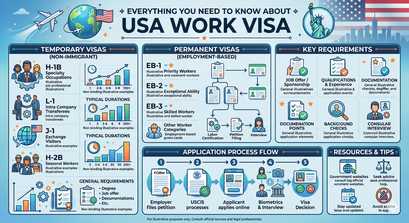
The first thing to understand is that not every domestic job can be sponsored the same way. In practice, there are five main routes people talk about:
- H-2B temporary nonagricultural work
- B-1 domestic employee visas in limited situations
- PERM/EB-3 style permanent sponsorship
- J-1 au pair exchange programs
- Special-status domestic worker visas linked to diplomats or international officials, such as A-3 or G-5
These routes are not interchangeable. A live-in nanny for a private family is not the same as a seasonal housekeeper job at a resort, and neither is the same as an au pair placement or a caregiver hired through a home-care agency. The details matter.
That is why the best answer to the question “Can I get a domestic job in America with visa sponsorship?” is yes, sometimes, but only through specific legal channels. If a recruiter tells you “Any U.S. family can sponsor you immediately” or “You can enter on a visitor visa and start working as a nanny,” that is a major red flag. A visitor visa is not a general work visa, and the B-1 domestic employee category only applies in narrow situations tied to the employer’s status.
Best visa pathways for domestic jobs in the USA with sponsorship
1) H-2B visa jobs for temporary or seasonal domestic work
For many foreigners, the most realistic work-based route connected to domestic or household-type work is the H-2B visa. The H-2B program allows U.S. employers to hire foreign nationals for temporary nonagricultural labor or services when the need is one-time, seasonal, peak-load, or intermittent. Employers must meet Department of Labor and USCIS requirements, recruit U.S. workers first, and pay at least the highest applicable wage floor, including the prevailing wage where required.
This matters because many people assume H-2B is only for landscaping, hospitality, or seafood processing. In reality, the official Department of Labor SeasonalJobs portal has listed roles such as Domestic Worker and Housekeepers under H-2B job orders. Those postings also state worker protections such as reimbursement of certain visa and travel-related costs, and in some cases optional housing arrangements are disclosed in the job order. That means some household or housekeeping-adjacent roles do appear in official, legal H-2B recruitment channels.
The catch is that H-2B is for temporary need, not an open-ended permanent household job. If a family or employer has a year-round need with no real temporary basis, H-2B is usually not the right category. That is why many H-2B domestic-style jobs are tied to seasonal demand, temporary surges, hospitality estates, resort housing, or intermittent staffing needs rather than permanent long-term household employment.
There is also a cap. Congress set the H-2B base cap at 66,000 visas per fiscal year, split between the first and second halves of the year, although DHS and USCIS sometimes authorize additional supplemental visas. USCIS announced a temporary FY 2026 increase for certain late-season needs, which shows that the program remains active and relevant in 2026. Also important for foreign applicants, USCIS materials indicate that under the rule effective January 17, 2025, H-2B petitions filed on or after that date may include beneficiaries from any country, rather than relying on the older eligible-countries list model.
2) B-1 domestic employee visas: real, but very limited
Another route people hear about is the B-1 domestic employee option. This is real, but it is often misunderstood. The U.S. Department of State says you may apply for a B-1 visa to work in the United States as a personal or domestic employee for your employer in limited situations. Those situations include working for a U.S. citizen who has a permanent home or posting abroad and is only in the United States temporarily, or for a foreign citizen employer who is in the United States in a qualifying nonimmigrant status such as B, E, F, H, I, J, L, M, O, P, Q, or TN.
This means the B-1 domestic employee path is not a general job-market route where you apply to any family in America. It is tied to an existing employer relationship and a very specific legal context. In other words, it is most relevant to domestic staff who already work for a particular employer abroad and accompany that employer temporarily to the United States. That is a very different scenario from a foreign applicant browsing online job boards for open nanny or housekeeping jobs in Texas or Florida.
The State Department’s worker-rights materials also show that domestic employees in these visa categories must receive a compliant work contract. The contract must be in a language the worker understands and must state the hourly wage, which must be the highest of the federal, state, or local minimum wage. If the worker lives at the employer’s residence, the contract must state that the employer will provide free room and board and round-trip airfare. These protections exist because domestic workers can be especially vulnerable to abuse or exploitation.
3) Permanent sponsorship through PERM and EB-3
For people looking for a more permanent route, the most important concept is PERM, the permanent labor certification system. The Department of Labor states that a permanent labor certification allows a U.S. employer to hire a foreign worker to work permanently in the United States, but the employer must show that there are not sufficient qualified U.S. workers who are able, willing, qualified, and available, and that hiring the foreign worker will not adversely affect wages and working conditions of similarly employed U.S. workers.
This is especially relevant because the Department of Labor’s ETA-9089 form explicitly includes “Employer’s private household” as a worksite type and separately asks whether the employer is seeking permanent labor certification for a live-in household domestic service worker. The form also asks whether the foreign worker has one year of paid experience as a live-in household domestic service worker and whether the required employment contract has been executed and provided to the worker. That is strong evidence that permanent sponsorship for some household roles exists within the U.S. labor certification framework.
However, this route is not simple or fast. The PERM process is documentation-heavy, wage-sensitive, and recruitment-based. It can also be slow. As of the Department of Labor processing update posted in April 2026, average PERM analyst review time for the most recent month shown was 501 calendar days, with separate figures for audit review. So although permanent sponsorship is possible in principle, applicants should expect a long process rather than a quick relocation solution.
For this reason, when people search for EB-3 unskilled jobs USA or visa sponsorship jobs USA for foreigners, they should understand that the permanent route is generally more realistic when the employer is serious, compliant, financially able to sponsor, and prepared to work through the full labor certification process. A private household that cannot manage paperwork, contracts, prevailing wage issues, and lengthy timelines is less likely to succeed than an employer working with competent immigration counsel.
4) J-1 au pair: childcare in private homes, but as an exchange program
If your main interest is childcare in a U.S. home, the J-1 au pair route is one of the clearest official pathways. The U.S. Department of State’s BridgeUSA program says au pair participants must be proficient in spoken English, be secondary-school graduates or equivalent, and be between 18 and 26 years old. The government also maintains an official sponsor search directory because au pairs must go through designated program sponsors rather than arranging the program informally on their own.
That said, an au pair program is not the same as a regular work visa. It is an exchange program with rules on hours, education, sponsor oversight, and host-family obligations. State Department worker-rights guidance says au pairs do not have to work more than 10 hours per day or 45 hours per week, and host families must contribute toward required educational coursework. So this path is a good fit for some younger applicants seeking childcare work and cultural exchange, but it is not a blanket answer for all foreign nannies.
5) A-3, G-5, and related domestic worker categories
There are also domestic worker visa categories linked to diplomats and international organization staff. The State Department notes that domestic workers of diplomats and foreign government officials may receive A-3 visas, while personal employees or domestic workers of qualifying G-1 to G-4 or NATO-status individuals may receive G-5 or NATO-7 visas if requirements are met. These are real pathways, but they apply only in those specialised employer relationships.
The most realistic domestic jobs in America for foreigners
Caregiver and personal care aide jobs
From a labour-market perspective, caregiver-style roles are among the most promising household-related occupations. The Bureau of Labor Statistics says home health and personal care aides help people with daily living activities and often assist older adults. The occupation is projected to grow 17 percent from 2024 to 2034, much faster than average, with about 765,800 openings each year on average over the decade. Median annual wage in May 2024 was $34,900.
This does not automatically mean easy visa sponsorship. Many caregiving jobs are domestic in setting but are filled through agencies, home-care businesses, or health-related providers rather than individual families. Some positions also involve state-level certification, background checks, or training standards, especially when medical tasks are involved. Still, for foreigners searching terms like caregiver jobs in USA with visa sponsorship or home care jobs with sponsorship, this is one of the most commercially relevant and operationally realistic areas to monitor.
Childcare worker, nanny, and private-home childcare roles
The Bureau of Labor Statistics says childcare workers attend to children’s needs and may work in childcare centres, their own homes, or private households. Median hourly wage was $15.41 in May 2024. The occupation is projected to decline modestly overall, but BLS still projects about 160,200 openings each year, largely because workers leave the occupation and need to be replaced. BLS also specifically notes that nannies may work full or part time and that full-time nannies may work more than 40 hours a week.
For foreign applicants, this makes childcare one of the most visible domestic job categories online. But there is an important distinction: demand does not equal sponsorship availability. Families may need nannies, but the legal vehicle for bringing in a foreign nanny is narrower than the public demand for childcare itself. For younger applicants, the au pair route may be the most structured option. For permanent nanny or live-in childcare roles, the discussion shifts more toward labour certification and employer readiness rather than a quick standard visa.
Housekeeper and domestic worker jobs
Housekeeping is another major search term in this niche, and it is where many applicants first encounter H-2B. Official DOL SeasonalJobs listings have included Housekeepers and Domestic Worker job orders under the H-2B framework, showing that legitimate temporary openings do exist. Meanwhile, BLS occupational wage data show a national median hourly wage of $16.08 for maids and housekeeping cleaners in May 2023, although actual pay varies widely by state, property type, and employer.
In practical terms, housekeeper jobs are easier to find than housekeeper jobs with lawful sponsorship. That is why job seekers should focus on official job orders, employers familiar with H-2B rules, and postings that clearly state visa assistance or labour certification support. Random social media posts promising “housekeeper job in USA, free visa, free ticket, no interview” are exactly where many scams begin.
Private household cook jobs
Private household cook roles are more niche, but they exist. BLS data for Cooks, Private Household show a small occupation with a May 2023 median hourly wage of $20.48 and median annual wage of $42,590. Because these roles are limited in number and often depend on trust, discretion, special diets, or high-income private employers, they are less common than caregiving or housekeeping roles but can be better paid.
Sponsorship in this area is possible in theory, especially where an employer is serious and willing to pursue permanent certification or has a qualifying temporary need, but the job pool is much smaller. In SEO terms, this is a lower-volume but often higher-intent long-tail segment under private household staff jobs, personal chef jobs USA, and domestic staff visa sponsorship.
How much do domestic jobs in the USA pay?
If you want a realistic salary view, here is the short version. Childcare workers earned a median $15.41 per hour in May 2024. Home health and personal care aides earned a median $34,900 per year in May 2024. Private household cooks had a median $20.48 per hour in May 2023. Housekeeping cleaners had a national median of $16.08 per hour in May 2023 based on the accessible wage data. Actual wages can be much higher or lower depending on the city, whether the job is live-in, whether overtime is paid, and whether the employer is a household, agency, hotel, or luxury property.
Applicants should not judge a job only by the headline pay. A legal H-2B or domestic-worker contract may include items such as transportation support, housing details, meal arrangements, reimbursement rules, work-hour commitments, and wage protections. The State Department and Department of Labor both emphasise that workers must be paid fairly and should receive written terms in a language they understand.
Where to find legitimate domestic jobs with visa sponsorship in the USA
The safest starting point is the official Department of Labor SeasonalJobs portal for temporary jobs, especially if you are searching for H-2B opportunities. That site exists specifically for jobs connected to the labour certification system and is far more reliable than random social posts or messaging-app offers. The presence of job orders labelled Domestic Worker and Housekeepers on that official portal is exactly why serious job seekers should search there first.
For au pair placements, use the official BridgeUSA sponsor directory rather than trying to arrange an unofficial host-family deal. The sponsor system exists because the J-1 program is managed through designated organisations that handle placements, compliance, and participant support.
For permanent sponsorship possibilities, the best leads often come from employers who already understand labour certification, reputable domestic staffing firms, established home-care companies, or employers working with immigration attorneys. In that world, the job itself is only part of the equation. The real question is whether the employer is organised enough to document the role, pay the required wage, recruit properly, and wait through a long process if necessary.
How employers legally sponsor domestic workers
For H-2B, the Department of Labor says employers must obtain a prevailing wage determination, submit a job order to the State Workforce Agency, publish required advertisements, and show they were not able to locate enough qualified U.S. workers. They also must pay at least the required wage and follow rules on deductions, hours, and recruitment.
For permanent sponsorship, the employer typically moves through the PERM labour certification system first. The Department of Labor must certify that there are not enough willing and qualified U.S. workers for the role and that hiring the foreign worker will not depress wages or harm working conditions. In domestic-household cases, the paperwork can include specific contract and experience questions for live-in household domestic service workers.
For B-1 domestic employee situations, the issue is not labour-market sponsorship in the same sense. It is whether the employee is qualifying to accompany a specific employer under the limited rules laid out by the State Department. That is why many articles online confuse “visa sponsorship” with “being brought by an employer,” even though the underlying legal mechanics are different.
Biggest scam signs to avoid
This niche attracts fraud because the jobs feel accessible and emotional. Families need care. Elderly people need support. Homes need cleaners. Scammers know that. The easiest way to protect yourself is to remember that legitimate U.S. worker programs come with documents, official portals, contracts, and compliance rules. They do not begin with “send money now for processing.”
The Department of Labor says H-2B employers cannot seek or receive payment from workers for the employer’s application, recruitment, or related costs, apart from limited worker-responsibility items allowed by regulation. The State Department’s rights guidance is even more direct: workers should never have to pay fees to a labour recruiter for H-2B jobs, and domestic workers should receive written terms they understand.
Be suspicious of any offer that has one or more of these signs: no company website, no written contract, no clear visa category, pressure to pay a recruiter through WhatsApp or Telegram, salary that sounds unrealistically high for entry-level domestic work, or a promise that you can travel on a tourist visa and “sort it out later.” Those are classic danger signals.
How to improve your chances of getting hired
If you want to compete for domestic jobs in the USA with sponsorship, position yourself like a serious applicant, not a desperate one. That means building a clean CV focused on the exact job family: childcare, elder care, housekeeping, personal assistance, or private household cooking. Show measurable experience, referenceable employers, certifications, language ability, clean background status, and willingness for live-in or shift schedules where relevant. Advice like this is not immigration law; it is practical hiring strategy, and in this niche it matters because employers are inviting workers into homes, families, and highly personal environments.
For caregiver roles, include any first-aid, CPR, dementia care, patient handling, or companionship experience. For nanny and childcare roles, highlight ages of children cared for, feeding, routines, homework support, school run experience, and safeguarding awareness. For housekeeping, show cleaning standards, laundry, ironing, inventory handling, deep-cleaning experience, and whether you have worked in hotels, estates, or luxury homes. For private cook roles, mention cuisines, dietary restrictions, meal planning, shopping, pantry management, hygiene standards, and whether you can handle family-style or high-end service.
It also helps to target employers by pathway. If you are under 27 and want childcare in a private home, focus on official au pair channels. If you want temporary housekeeping or domestic-style work, search official H-2B sources. If you already work for a qualifying employer abroad, then B-1 domestic employee rules may be relevant. If your goal is a long-term live-in household role, look for employers truly capable of sponsoring through the permanent route rather than casual one-off families.
Step-by-step: how to apply for domestic jobs in the USA with visa sponsorship
Start by choosing the correct visa path for the actual job, not the path you hope is easiest. If the role is childcare with cultural exchange, think au pair. If it is seasonal or temporary housekeeping or domestic work, think H-2B. If it is a permanent live-in household position with a committed employer, think labour certification and long timelines. If it is for a diplomat or foreign executive you already serve, then look at the relevant personal-employee category.
Next, verify the employer. Check whether the job is on an official government portal, whether the employer has a real business presence, and whether the contract terms are written and specific. After that, align your documents: passport, CV, references, certifications, police clearance where needed, and proof of relevant work history. For PERM-style roles, documented work experience can become especially important because the employer may need to prove the role and your qualifications clearly.
Then prepare for scrutiny. Domestic jobs are intimate roles. Employers often look for trustworthiness, stability, communication skills, and consistency as much as technical skill. Government rules also create extra paperwork around wages, contracts, and worker protections. So the strongest applicants are usually the ones who combine reliable experience with patience and proper documentation.
Frequently asked questions
Can a U.S. family sponsor me for a nanny job?
Sometimes, but not automatically. A private family cannot simply “write an invitation” and create a work visa. The legal route depends on the situation. J-1 au pair is the clearest structured childcare path for many younger applicants, while permanent sponsorship for live-in household roles may involve labour certification and much more paperwork.
Can I use a visitor visa to work as a housekeeper or nanny in the USA?
Not as a general rule. The B-1 domestic employee category exists only in limited situations tied to the employer’s status and relationship to the worker. It is not a general public job-market visa.
What is the easiest domestic job route for foreigners?
For childcare, the most structured route is often the J-1 au pair program if you fit the age and eligibility rules. For temporary housekeeping or domestic-style work, H-2B is often the clearest work-based route where a qualifying temporary need exists.
Are caregiver jobs better than housekeeping jobs for sponsorship?
Often yes, because demand in home-based care is stronger over the long term. BLS projects 17 percent growth for home health and personal care aides, which is much stronger than many other service occupations. But stronger labour demand still does not remove the need for the correct visa path and employer compliance.
Do domestic jobs in the USA pay well?
They can provide a stable income, but pay varies a lot. Recent BLS figures show childcare workers at a median $15.41 per hour, home health and personal care aides at $34,900 annually, and private household cooks at a higher wage range than many other domestic roles.
Final thoughts
The phrase “domestic jobs in the USA with visa sponsorship” is popular because it sits at the intersection of migration, work, family, and opportunity. But the real opportunity is not in chasing viral promises. It is in understanding which routes are real: H-2B for temporary nonagricultural need, B-1 domestic employee status in narrow cases, J-1 au pair for structured childcare exchange, and PERM-based permanent sponsorship where an employer is genuinely prepared for the process.