Every month, thousands of job seekers look for a legal path to work in the United States through entry-level roles that do not require a university degree, advanced certification, or years of experience. If you are searching for unskilled jobs with visa sponsorship USA, you are not alone. The challenge is that many articles online promise “easy sponsorship” without explaining how U.S. immigration rules actually work. That is where most people waste time, chase the wrong jobs, or fall for scams.
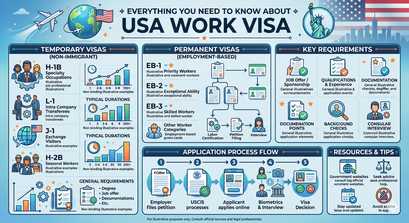
The truth is simple. There are real visa sponsorship jobs USA for foreigners, but they usually fall into a few clear categories. In U.S. immigration language, the strongest pathways for entry-level or lower-skill foreign labor are usually EB-3 Other Workers for permanent roles that require less than two years of training or experience, H-2A for temporary or seasonal agricultural work, and H-2B for temporary non-agricultural work tied to an employer’s temporary need. In most permanent cases, the employer must first go through the U.S. Department of Labor before filing with USCIS.
That matters because the best strategy is not to search randomly for “USA job sponsor.” The smarter approach is to target the industries and job types that fit the actual visa structure. If you do that, your search becomes more focused, your applications become stronger, and your chances improve.
This guide will show you exactly how to do that. You will learn which unskilled or entry-level jobs are most realistic, which visa routes matter most, what salaries to expect, where to find legitimate openings, and how to avoid fake sponsorship offers.
What “unskilled jobs” really means in the U.S.
The phrase unskilled jobs with visa sponsorship USA is mostly a search term. In real hiring, U.S. employers usually describe these roles as entry-level, no experience, general labor, seasonal, helper, cleaning, groundskeeping, food prep, or farm work. U.S. immigration law also uses a narrower idea. For example, USCIS says the EB-3 “Other Workers” route is for jobs requiring less than two years of training or experience.
That does not mean the work is easy. Many so-called unskilled jobs are physically demanding, time-sensitive, and productivity-driven. A construction laborer may lift, haul, clean, load, and support multiple trades on site. A janitor may handle sanitation, minor maintenance, supplies, and evening shifts. A farmworker may work long hours in planting or harvest seasons. These jobs are better understood as low formal-barrier jobs, not low-effort jobs.
It also helps to know that the U.S. labour market still has a large number of openings in occupations that typically do not need a formal educational credential. BLS projects strong annual openings in roles such as laborers and material movers, janitors, maids and housekeeping cleaners, and landscaping and groundskeeping workers. But high domestic openings do not automatically mean high visa sponsorship. Sponsorship is much more realistic where the visa route clearly matches the job, especially agriculture and temporary seasonal labour.
The 3 visa routes that matter most
If you want USA jobs with sponsorship visa, these are the three visa tracks you need to understand.
1) EB-3 Other Workers
This is the most important long-term option for people looking for green card sponsorship jobs USA in lower-skill roles. USCIS says EB-3 Other Workers covers positions that require less than two years of training or experience. In most cases, the employer needs a permanent labor certification from the Department of Labor before filing the immigrant petition with USCIS. DOL’s role is to certify that there are not sufficient U.S. workers who are able, willing, qualified, and available, and that hiring the foreign worker will not adversely affect similarly employed U.S. workers.
Why this matters: if your goal is permanent relocation rather than short seasonal work, EB-3 unskilled jobs in USA should be one of your main keyword targets. The downside is that the process is slower, document-heavy, and highly employer-dependent.
2) H-2A Temporary Agricultural Workers
The H-2A route is for temporary or seasonal agricultural work. Employers using the program must first try to recruit U.S. workers, and workers under H-2A must be paid program-required wage rates, provided safe housing in qualifying situations, safe transportation from housing to the work site where required, and a guarantee of at least 75% of the hours promised in the contract. State Department guidance also says H-2A is generally limited to nationals of designated countries, with limited exceptions.
Why this matters: if you are searching H-2A jobs in USA for foreigners, you are looking at one of the clearest legal pathways for entry-level work in the United States.
3) H-2B Temporary Non-Agricultural Workers
The H-2B route is for temporary non-agricultural labour or services. DOL states that the employer’s need must be temporary, even if the underlying job itself may exist all year in the broader economy. Employers must obtain a prevailing wage determination before filing the H-2B labour certification, and H-2B workers must be paid on schedule under the program rules. State Department guidance also says this category is generally limited to nationals of designated countries, with limited exceptions.
Why this matters: many H-2B visa jobs USA fall into hospitality, grounds maintenance, construction support, seafood processing, and other seasonal or peak-load work. It is one of the most practical short-term routes for non-farm work. The Department of Labor’s Seasonal Jobs portal publicly shows examples such as seafood processor and construction laborer.
Best unskilled jobs with visa sponsorship in the USA
Now let’s get practical. These are the most realistic job categories to target.
1) Farmworker and agricultural labour jobs
If you want the clearest pathway, start here. Agricultural work is the most direct match for the H-2A visa structure. BLS says most agricultural workers do not need a formal educational credential and typically receive on-the-job training. The median annual wage for agricultural workers was $35,980 in May 2024, and BLS projects about 116,200 openings per year on average over 2024–2034, mostly from replacement needs. Many of these jobs are seasonal, especially around planting and harvest periods.
Common job titles include farmworker, crop picker, greenhouse worker, nursery laborer, livestock attendant, irrigation helper, and harvest crew member. This category is strong for sponsorship because the visa framework is already designed around temporary or seasonal agricultural labour. It is also strong because the rules include worker protections that many job seekers overlook, such as housing, transportation-related benefits, and the 75% hours guarantee under program conditions.
For SEO, this section helps you rank for related terms like farm jobs in USA with visa sponsorship, H-2A visa jobs USA, and seasonal jobs in USA with visa sponsorship.
2) Landscaping and groundskeeping jobs
Grounds maintenance is one of the best non-farm categories to target for H-2B-style temporary work. BLS says grounds maintenance workers typically do not need a formal educational credential and are trained on the job. The median pay was $38,470 per year or $18.50 per hour in May 2024, with about 171,600 openings per year projected over 2024–2034. BLS also notes that some jobs are seasonal and that workers are often busiest in spring, summer, and fall.
Typical titles include landscaping worker, groundskeeper, lawn care labourer, outdoor maintenance worker, golf course grounds crew, and snow-removal helper in off-season service blends. This category fits the reality of employers who need extra workers during peak periods. If you are searching no experience jobs in USA with visa sponsorship, this is one of the better places to look.
What makes it attractive is the combination of relatively low formal entry barriers and a work pattern that often matches the legal idea of temporary need. It is not guaranteed sponsorship, but it is a smarter target than applying blindly to retail jobs with no visa framework behind them.
3) Janitor and building cleaner jobs
Cleaning roles are among the most searched entry-level jobs in USA for foreigners, and for good reason. BLS says janitors and building cleaners typically do not need formal education, most learn on the job, the median hourly wage was $17.27 in May 2024, and the occupation is projected to have about 351,300 openings per year on average over the decade.
Typical duties include sweeping, mopping, vacuuming, cleaning restrooms, handling trash, disinfecting surfaces, locking facilities, and sometimes doing minor repairs. These jobs exist in offices, schools, hospitals, and residential or commercial buildings.
For sponsorship, this category is more mixed than agriculture. Some cleaning jobs may align better with temporary labour needs than others. That means janitorial roles are worth targeting, but you should priorities employers that clearly mention visa sponsorship, seasonal demand, labour certification, or recruiter-supported foreign worker hiring.
4) Construction labourer and helper jobs
Construction support roles are another strong keyword cluster for this topic. BLS reports that the median annual wage for construction laborers and helpers was $46,050 in May 2024. These jobs are physically demanding and may be seasonal in some parts of the country, especially where weather affects construction cycles. The Department of Labor’s SeasonalJobs portal also publicly features construction laborer listings, which is a useful signpost for sponsored seasonal demand.
Typical titles include general labourer, demolition helper, site cleaner, materials handler, scaffold helper, and trade helper. These jobs often involve loading materials, clearing sites, cleaning tools, assisting crews, and maintaining safety zones.
This category can work well in your content strategy because it attracts both search traffic and buyer-intent ads. Keywords like construction laborer jobs in USA with visa sponsorship, general labour jobs USA sponsor visa, and temporary construction jobs USA for foreigners tend to have strong commercial intent because users are close to applying.
5) Food preparation and kitchen support jobs
Food prep roles are another realistic entry point for job seekers who want low-barrier work. BLS says food preparation workers typically do not need a formal educational credential or prior work experience, usually learn on the job in a matter of weeks, and had a median hourly wage of $16.45 in May 2024. BLS also projects about 148,000 openings per year on average over 2024–2034.
Common titles include food prep worker, kitchen helper, salad prep worker, line support, cafeteria prep assistant, and dishwasher. Duties include cleaning and sanitizing work areas, preparing cold foods, cutting vegetables, handling ingredients, and supporting service operations.
From a sponsorship angle, this category is strongest where the employer can show genuine seasonal or peak-load demand, rather than normal year-round hiring. That is why resort areas, seasonal hospitality businesses, and tourist markets can be worth watching more than ordinary small restaurants with no sponsorship history. The key is to focus on the visa structure, not just the job title.
6) Housekeeping and maid jobs
Housekeeping sits in a useful middle ground for this topic. It is clearly entry-level, attractive to searchers, and has a large number of projected openings. BLS lists maids and housekeeping cleaners among the occupations with the most annual openings for jobs that typically require no formal educational credential, with about 193,500 openings per year projected over 2024–2034 and a median annual wage of $34,660 in 2024.
That does not mean every housekeeping job offers sponsorship. But it does mean the role is a smart keyword target and a realistic occupation type to monitor, especially when tied to seasonal lodging or peak tourism demand. Good keyword variations here include hotel housekeeping jobs in USA with visa sponsorship and maid jobs in USA for foreigners.
7) Seafood processing and seasonal production jobs
This is one of the most overlooked categories. The Department of Labor’s SeasonalJobs portal explicitly shows seafood processor roles and describes tasks such as washing, sizing, grading, and loading processed seafood for shipping. That is exactly the kind of practical, seasonal, labour-intensive work that many foreign job seekers are trying to find.
This category works especially well for users searching seasonal jobs in USA with visa sponsorship, factory helper jobs USA sponsor visa, or packing jobs in USA for foreigners. It also gives your article broader commercial coverage without wandering away from the entry-level theme.
Which jobs are best if you want the highest chance of sponsorship?
If your main goal is not just traffic but actual conversions, here is the honest ranking:
Best chance of sponsorship:
Farmworker jobs, crop and nursery labour, seasonal agricultural work, landscaping, groundskeeping, seafood processing, and some temporary construction support roles. These line up most clearly with H-2A or H-2B frameworks.
Possible but more employer-specific:
Janitorial jobs, housekeeping, food prep, dishwashing, warehouse or general helper roles. These may be available, but they depend more heavily on the employer’s immigration history, seasonality, and willingness to sponsor.
Often searched but less reliable for this exact topic:
Retail cashier, standard office support, and generic local service jobs. They may have many openings overall, but they are usually weaker targets for visa sponsorship compared with agriculture and temporary labour categories.
Salary expectations: what can you realistically earn?
A lot of people search for high paying unskilled jobs with visa sponsorship USA, but the more useful question is what you can realistically expect in the first stage.
Here is a practical benchmark from current BLS data:
- Agricultural workers: $35,980 median annual wage
- Grounds maintenance workers: $38,470 median annual wage / $18.50 hourly
- Janitors and building cleaners: $17.27 median hourly wage
- Food preparation workers: $16.45 median hourly wage
- Construction laborers and helpers: $46,050 median annual wage
These are occupation-wide medians, not guaranteed sponsorship wages. Actual offers depend on state, local prevailing wage, overtime, seasonal demand, and employer type. Under H-2B, employers must follow wage rules, and DOL says H-2B applications require a valid prevailing wage determination before filing. Under H-2A, wage protections are set by program rules and can vary by locality.
Where to find legitimate unskilled jobs with visa sponsorship in the USA
One of the biggest problems in this niche is bad sourcing. People search on social media, copy a recruiter’s WhatsApp message, and send money. That is exactly the wrong process.
Use this order instead:
1) DOL Seasonal Jobs portal
This is one of the best starting points for temporary and seasonal roles. The public portal shows roles such as seafood processor and construction laborer. It is not magic, but it is a far more credible source than random Telegram or Facebook posts.
2) Employer career pages
Search for large farms, nurseries, landscaping firms, hotel groups, seafood processors, and seasonal service employers. Add terms like:
- visa sponsorship
- H-2A
- H-2B
- foreign worker program
- seasonal labour
- EB-3 other workers
3) State workforce and agricultural recruitment channels
Many employers using seasonal programmes also work through official state or federal systems tied to labour recruitment. If the employer mentions labour certification, job order numbers, or temporary labour certification, that is a better signal than vague phrases like “work permit available.”
4) Reputable immigration-focused job boards
These can help, but they should be secondary, not primary. Always verify the employer independently.
Step-by-step: how to apply successfully
If you want this post to convert readers, this is the section that matters most.
Step 1: Choose the right visa path before applying
Do not apply to 200 random jobs. Decide whether you are targeting:
- H-2A for temporary agricultural work
- H-2B for temporary non-agricultural seasonal work
- EB-3 Other Workers for permanent, employer-sponsored lower-skill roles
Step 2: Search by occupation + visa logic
Use keyword combinations like:
- farm worker H-2A visa USA
- seafood processor H-2B visa USA
- construction laborer visa sponsorship USA
- EB-3 other workers jobs USA
- landscaping jobs USA foreign workers
- seasonal jobs USA sponsor visa
Step 3: Prepare a simple, targeted CV
For entry-level jobs, your CV should emphasize reliability, physical stamina, shift flexibility, outdoor work tolerance, teamwork, attendance, productivity, and any hands-on experience. Even unpaid family farm work, cleaning work, kitchen support, loading, or construction assistance can count as relevant experience if described clearly.
Step 4: Confirm sponsorship language
Look for phrases like:
- visa sponsorship available
- H-2A workers needed
- H-2B workers needed
- employer will file petition
- labour certification
- foreign worker recruitment
If the employer cannot explain the visa type, that is a red flag.
Step 5: Be ready with documents
Most serious processes will eventually require a passport, work history, contact details, references if available, and sometimes police or medical documentation depending on the stage and visa type. The exact document set varies, but being organised helps you move faster when an employer is genuine.
Step 6: Never pay for the job offer
This is non-negotiable. State Department guidance for temporary workers says you should never pay fees to get a job. If someone asks for payment just to secure the job itself, treat that as a serious warning sign.
Red flags and scams to avoid
This niche is full of fraud, so this section builds trust and keeps readers on your page longer.
Avoid any “sponsor” who:
- asks for payment before a verified job contract
- promises a visa without naming the visa category
- refuses to provide company details or a formal offer
- uses only WhatsApp or Telegram with no company email or website
- guarantees approval regardless of nationality or eligibility
- tells you to lie on documents or hide prior refusals
This matters even more for H-2A and H-2B because State Department guidance says those visa categories are usually open only to nationals of designated countries, with limited exceptions. If someone tells every applicant from every country that approval is guaranteed, that is a sign they are selling fantasy, not a legal route.
FAQ: Unskilled jobs with visa sponsorship USA
Can I get an unskilled job in the USA without experience?
Yes, many target occupations such as agricultural work, janitorial work, grounds maintenance, and food prep typically require no formal educational credential and rely on short-term on-the-job training.
Which visa is best for unskilled jobs in the USA?
For short-term farm work, H-2A is usually the clearest route. For short-term non-farm work, H-2B is often the strongest. For permanent lower-skill employer sponsorship, EB-3 Other Workers is the main track.
Are unskilled jobs with visa sponsorship in the USA permanent?
Some are temporary and seasonal, especially H-2A and H-2B. Permanent sponsorship is more associated with EB-3 Other Workers.
Do sponsored employers pay housing and transport?
Under H-2A, the program includes important rules on housing, transportation, and minimum contracted hours in qualifying situations. H-2B rules are different and more employer- and job-order-specific.
Are these jobs easy to get?
No. They are easier to qualify for academically, but not necessarily easy to win. Competition is real, timing matters, and the employer must have a legitimate legal basis to sponsor you.
Final word
If you are serious about finding unskilled jobs with visa sponsorship USA, stop treating the process like a generic job hunt. Think like an immigration-aware job seeker.
That means focusing on the occupations that actually fit legal sponsorship routes: farm work for H-2A, seasonal non-farm work for H-2B, and EB-3 Other Workers for lower-skill permanent sponsorship. It also means targeting the right keywords, using official or employer-verified job sources, preparing a practical CV, and avoiding anyone who asks you to pay for the job itself. USCIS, DOL, State Department, and BLS data all point in the same direction: the real opportunities exist, but they sit inside clear program rules, not vague internet promises.