If you looking for housekeeping jobs in USA with visa sponsorship, you are not alone. Thousands of foreign applicants search for terms like housekeeper jobs in USA for foreigners, cleaning jobs in USA with visa sponsorship, and hotel housekeeping jobs in USA with visa sponsorship because housekeeping remains one of the most accessible service-sector occupations in the American labor market. What makes the topic confusing is that many online articles make it sound as though every hotel in the United States is ready to sponsor international workers immediately. That is not how the system works. The real opportunity exists, but it is tied to the correct visa pathway, the right employer type, and the right hiring season.
The honest answer is this: yes, housekeeping jobs with visa sponsorship do exist in the United States, but most legitimate sponsorship in this category happens through the H-2B temporary non-agricultural worker route, not through an instant green-card offer. The U.S. Department of Labor says the H-2B program allows employers to bring in foreign workers for a temporary need, and that need must fit one of four categories: one-time occurrence, seasonal need, peak load need, or intermittent need. The U.S. State Department likewise describes H-2B as the visa used for temporary or seasonal non-agricultural work.
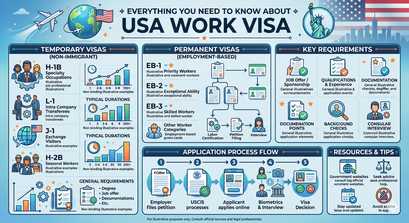
That distinction matters because many people searching for maid jobs in USA with visa sponsorship or room attendant jobs in USA with visa sponsorship are actually looking for one of two different things. Some want a short- to medium-term legal work opportunity with a hotel, resort, or vacation property. Others want a permanent immigration pathway. Those are not the same thing. Temporary H-2B sponsorship and permanent employer sponsorship under the EB-3 “other workers” route follow different rules, timelines, and levels of employer commitment.
A trust-building article on this topic has to begin with that reality check, because it saves job seekers from wasting months on the wrong kind of applications. If your search phrase is “housekeeping jobs in USA with visa sponsorship for foreigners”, the most realistic path is usually seasonal hospitality work, especially in hotels, resorts, tourist towns, and vacation markets where employers face recurring labor shortages during busy periods. The Department of Labor’s official Seasonal Jobs portal exists specifically to connect workers with seasonal or temporary jobs, and current H-2B housekeeper listings on that portal show active demand in lodging destinations such as Maine, Utah, and South Carolina.
Why housekeeping remains one of the most searched visa sponsorship job categories
Housekeeping is attractive to international applicants because the barrier to entry is often lower than in licensed professions. According to the Bureau of Labor Statistics’ 2025 occupational requirements data for maids and housekeeping cleaners, no minimum education was required for 69.3% of these jobs, on-the-job training was required for 97.8%, and prior experience was required for only 7.7%. In plain language, that means many employers can train new workers on site, which makes housekeeping more accessible than jobs that require U.S. credentials, licensing, or formal certifications.
The size of the market also helps explain the search demand. In the U.S. accommodation industry alone, the Bureau of Labor Statistics reported 422,760 maids and housekeeping cleaners in 2024. That is a large footprint inside hotels, resorts, and lodging businesses, and it confirms that this is not a tiny niche. It is a core operational role in American hospitality. When people search for hotel jobs in USA with visa sponsorship, housekeeping is often one of the first job families they discover because the need is consistent and visible.
Another reason these searches are so common is that housekeeping overlaps with several high-intent commercial keywords. People do not just search housekeeping jobs in USA with visa sponsorship. They also search hotel cleaner jobs in America, resort housekeeper jobs with H-2B visa, cleaning jobs in USA for immigrants, entry-level jobs in USA with sponsorship, and unskilled jobs in USA with visa sponsorship. From an SEO perspective, this topic sits at the intersection of immigration, employment, relocation, travel, and hospitality, which makes it monetizable and commercially valuable. The key is to build the article around verified facts rather than fantasy.
What “visa sponsorship” actually means for housekeeping jobs
A lot of low-quality content treats “visa sponsorship” like a marketing phrase, but in U.S. immigration practice it means the employer is taking concrete legal steps. For H-2B roles, the employer typically needs an approved temporary labor certification and then must file the relevant petition process before the worker applies for the visa. The Department of Labor states that H-2B certification requires proof that there are not enough qualified and available U.S. workers and that hiring foreign workers will not adversely affect wages and working conditions for similarly employed U.S. workers. The Federal Register notice for FY 2026 also confirms that an approved ETA-9142B is required before filing Form I-129 for H-2B workers.
For permanent sponsorship, the path is different. The Department of Labor explains that a permanent labor certification allows an employer to hire a foreign worker to work permanently in the United States, and that in most cases the employer, not the employee, must obtain certified labor certification before moving to the USCIS petition stage. The State Department’s employment-based immigrant visa page says EB-3 includes skilled workers, professionals, and unskilled workers (other workers), and defines “other workers” as workers in positions requiring less than two years of training or experience that are not temporary or seasonal.
That is why the phrase “housekeeping jobs in USA with visa sponsorship” covers two very different realities. One reality is a seasonal hotel or resort role under H-2B. The other is a much less common permanent sponsor willing to go through EB-3 labor certification and petitioning for an unskilled role. Both are legally possible. They are just not equally common. For most foreign job seekers, the H-2B route is the one they are more likely to see in actual public listings.
The most realistic visa route: H-2B housekeeping jobs
If your main goal is to find housekeeper jobs in USA for foreigners with sponsorship, H-2B should be the first visa category you understand. The H-2B program is for non-agricultural work that is temporary in nature, and the employer’s need must be one-time, seasonal, peak load, or intermittent. That fits many resort, hotel, vacation rental, and tourist-market housekeeping roles, especially in locations where visitor traffic rises sharply during certain months.
The H-2B route is competitive, which is another reason many applicants feel frustrated. USCIS states that the standard H-2B cap is 66,000 visas per fiscal year, split between the first and second halves of the fiscal year. For FY 2026, DHS and DOL issued a temporary rule making available up to an additional 64,716 visas for businesses facing irreparable harm. That sounds generous, but it also tells you something important: demand is intense enough that supplemental allocations become major news.
From an applicant’s point of view, the biggest practical lesson is timing. Because H-2B is tied to employer demand and visa caps, the best opportunities often appear ahead of peak tourist seasons rather than at random. Official DOL listings from 2026 show housekeeper positions with start dates around April and end dates in October or November, which is exactly what you would expect in seasonal hospitality markets. That means smart applicants do not wait until the middle of peak season to begin searching. They track openings months in advance.
Can housekeeping lead to permanent sponsorship?
The answer is yes, but this is where many articles become misleading. Permanent sponsorship for housekeeping-type roles would typically fall under EB-3 Other Workers, not under H-2B. The State Department says “other workers” are workers in jobs requiring less than two years of training or experience and that these jobs must be not temporary or seasonal. That means a year-round employer with a permanent staffing need may, in theory, pursue this route.
However, permanent sponsorship is slower and more demanding for employers. The Department of Labor says the employer must generally obtain permanent labor certification before the immigration petition proceeds, and current DOL processing data show that average PERM analyst review times were 501 calendar days in March 2026, with 343 days for audit review averages as reported on the processing-times page. The State Department also notes that employment-based immigrant visas are numerically limited and that in oversubscribed categories there can be multi-year waits before a priority date becomes current. In April 2026, the Visa Bulletin showed a separate Other Workers final action date rather than full current availability.
So yes, EB-3 housekeeping jobs in USA with visa sponsorship are possible in principle, but they are not the quick, easy path many keyword-stuffed websites suggest. For SEO and credibility, this matters. A strong article should attract clicks, but it should also protect readers from false expectations. The best long-term authority comes from telling the truth clearly: temporary sponsorship is commoner; permanent sponsorship is possible but rarer, slower, and harder to secure.
Types of housekeeping jobs foreigners can target
When people search cleaning jobs in USA with visa sponsorship, they often imagine only one job title. In reality, sponsorship-friendly housekeeping work can show up under several titles. Common titles include housekeeper, hotel housekeeper, room attendant, public area attendant, resort cleaner, laundry attendant, and sometimes housekeeping aide. Official DOL job orders for H-2B housekeepers describe tasks such as making beds, cleaning bathrooms, changing linens, vacuuming, dusting, replenishing guest amenities, cleaning public areas, and maintaining resort or hotel spaces.
The best sponsorship prospects are usually inside traveler accommodation rather than private home cleaning. That is because the accommodation industry is large, seasonal, and operationally structured in a way that fits H-2B needs better. BLS data show that maids and housekeeping cleaners are a major occupation within accommodation, and the DOL seasonal job board repeatedly shows public housekeeper postings tied to hotels, resorts, and vacation properties.
This is an important keyword lesson too. Someone who searches “domestic helper jobs in USA with visa sponsorship” may be searching for something much harder and more legally restricted than a hotel housekeeping role. Someone who searches “hotel housekeeping jobs in USA with visa sponsorship” is usually much closer to a real match. That is why this keyword cluster has stronger conversion value for both users and publishers. It aligns better with the job categories that actually appear in official channels.
Salary expectations for housekeeping jobs in the USA
Pay is one of the most important search intents behind this topic. People want to know whether housekeeping sponsorship jobs in America are worth pursuing. In the accommodation industry, BLS reported 2024 median hourly earnings of $16.40 and mean hourly earnings of $17.21 for maids and housekeeping cleaners. That gives you a useful benchmark for hotel and resort work.
Actual sponsored listings can vary. Official DOL H-2B job postings in 2026 showed examples at $15.00 per hour in South Carolina, $17.25 per hour in Maine, $18.50 to $19.50 per hour in Maine, and $20.00 per hour in Utah. Those numbers are useful because they come from real government-posted job orders rather than vague blog estimates. They also show why location and employer matter. A searcher targeting best paying housekeeping jobs in USA with visa sponsorship should understand that resort markets, peak-season tourism, and employer housing arrangements can all affect the total value of an offer.
But gross wage is not the whole story. Some listings include optional shared housing with weekly deductions. Some include visa-fee reimbursement in the first workweek. Some include transportation or subsistence reimbursement after the worker completes part of the contract. For example, one official DOL listing in York Beach, Maine disclosed housing at $150 per week, plus reimbursement terms for visa-related fees and transportation. Another listing in Bar Harbor, Maine disclosed possible housing costs of $135 to $150 weekly and detailed transportation reimbursement conditions.
That means the smartest way to evaluate a housekeeping job in USA with visa sponsorship is not just “What is the hourly wage?” It is “What is the hourly wage, how many hours are guaranteed, what deductions apply, what housing is offered, and what reimbursements are included?” Searchers who compare offers this way make better relocation decisions and avoid disappointment after arrival.
What employers usually look for
Housekeeping is accessible, but it is not effortless. The work is physical and routine-driven. BLS says that maids and housekeeping cleaners spend an average of 95.2% of the workday standing, and that reaching, low postures, and physical movement are built into the role. Official job orders also commonly mention lifting, bending, weekend availability, holidays, and the ability to work rotating schedules.
In practical terms, employers look for reliability more than fancy credentials. They want workers who can clean thoroughly, move quickly, follow safety procedures, handle linen and supply carts, and maintain guest-facing standards. Some postings require no experience and offer on-the-job training. Others ask for at least one month of hotel or resort experience. That means first-time applicants still have a path, but any hospitality, cleaning, janitorial, hotel, hostel, or guesthouse experience can strengthen your chances.
A strong application for housekeeper jobs in USA for foreigners should therefore highlight the right traits: cleanliness standards, speed, honesty, time management, stamina, teamwork, and guest-awareness. Even if your previous role was not called “housekeeper,” relevant experience can still count if you cleaned rooms, maintained facilities, handled laundry, sanitized spaces, or supported hotel operations. That is how smart applicants bridge experience gaps. This is also how a publisher can target related commercial keywords like entry-level hotel jobs with visa sponsorship and hospitality jobs in USA for foreigners without drifting off-topic.
Where to find legitimate housekeeping jobs with sponsorship
The single most credible place to start is the U.S. Department of Labor’s SeasonalJobs portal. It is an official government site designed to connect workers with seasonal or temporary jobs, and it includes H-2B housekeeping listings with pay, dates, duties, requirements, and employer contact information. That matters because many applicants get trapped by random recruiters, cloned job ads, or recycled posts on unverified websites. Starting with the official government job board gives you a more trustworthy base.
After that, use a layered search strategy. Search employer career pages for hotels, resorts, lodges, and vacation-property operators in tourist locations. Use keyword combinations such as H-2B housekeeper, seasonal housekeeper USA, hotel housekeeper visa sponsorship, room attendant H-2B, and resort housekeeping jobs with sponsorship. The goal is to find employers already familiar with seasonal foreign-worker hiring rather than persuade an employer to invent a sponsorship process from scratch. That is a major difference. Employers with prior H-2B usage are usually much more realistic targets. The existence of repeated H-2B housekeeper listings on the DOL portal shows this pattern clearly.
How to spot a real sponsorship offer and avoid scams
This topic attracts scams because it combines immigration anxiety with job urgency. One of the most important protections is to understand what real offers tend to include. Official DOL job orders are detailed. They often state the wage, work dates, number of hours, overtime terms, housing terms, transportation rules, fee reimbursement terms, and job duties. If someone claims to have a visa-sponsorship housekeeping job but refuses to show formal job details, that is a warning sign.
The State Department’s temporary worker guidance also reminds workers that they have rights and can seek help if they are mistreated. The page specifically says temporary workers have rights, encourages workers to seek assistance for abuse, and lists the National Human Trafficking Hotline. That is a useful reminder that legal migration should not mean surrendering your documents, paying fake “guaranteed visa” fees, or accepting verbal promises without documentation.
A practical rule is simple: treat any recruiter who asks for large upfront payments, keeps changing the employer name, avoids written terms, or promises a guaranteed green card through a housekeeping job as high risk. Legitimate processes involve employer filings, documented terms, and official visa procedures. The more a job offer depends on secrecy, pressure, or cash transfers, the less credible it becomes.
How to apply successfully as a foreign job seeker
The best applications are targeted, not generic. Start by building a one-page hospitality-style resume that emphasizes cleaning duties, room preparation, laundry handling, sanitation standards, speed, physical stamina, teamwork, and any customer-service exposure. Then match your wording to the types of duties that appear in official postings: making beds, replenishing amenities, cleaning bathrooms, maintaining hallways, disposing of refuse, vacuuming, dusting, and handling linens. That language mirrors what employers already use in real job orders.
Second, apply early and apply in volume, but stay selective. Housekeeping is broad enough that you can apply to multiple markets, yet specialized enough that you should focus on employers in hotels, resorts, and seasonal lodging. If you are applying for H-2B roles, timing matters because employer demand is tied to temporary need and the visa cap environment is competitive. The 66,000 annual cap and FY 2026 supplemental rule show how tightly managed this category is.
Third, prepare for the screening conversation. Employers may ask whether you can work weekends, lift supplies, handle fast room turnover, maintain cleanliness standards, or begin by a certain start date. They may also ask about prior hospitality experience, English communication, and willingness to work in shared housing or seasonal destinations. The official listings make clear that schedule flexibility, weekend availability, and physical capability are common requirements.
Best locations and employer types to target
From a strategy angle, tourist and lodging-heavy markets are the strongest targets for this keyword niche. BLS data confirm that accommodation is a major employer of maids and housekeeping cleaners, and DOL job orders show real examples in resort-oriented destinations. This does not mean only beach towns or ski towns hire. It means your highest-probability search should begin where lodging demand is operationally intense enough to create staffing pressure.
For SEO, this also opens strong article extensions and monetizable subtopics: housekeeping jobs in Florida with visa sponsorship, Maine hotel jobs with H-2B sponsorship, resort jobs in USA for foreigners, seasonal jobs in tourist towns USA, and hotel room attendant jobs with employer housing. These are useful cluster pages because they stay close to user intent while allowing location-based expansion.
Frequently asked questions
Are housekeeping jobs in USA with visa sponsorship real?
Yes. They are real, but most public opportunities in this category are tied to the H-2B temporary non-agricultural worker route, especially in hotels, resorts, and other seasonal lodging businesses. Official DOL job listings confirm current housekeeper openings under this framework.
Do I need experience to get a sponsored housekeeping job in America?
Not always. BLS says many housekeeping roles require no minimum education and are learned on the job. Official DOL listings also show a mix: some require no experience, while others ask for about one month of hotel or resort experience.
What is the most common visa for housekeeper jobs in the USA?
For temporary or seasonal roles, the most common fit is H-2B. The State Department describes H-2B as the visa for temporary or seasonal non-agricultural work, and DOL says employers must prove temporary need.
Can a housekeeping job lead to a green card?
Potentially, yes, through EB-3 Other Workers if the role is permanent rather than temporary or seasonal. But that path generally requires labor certification, employer petitioning, and patience with processing times and visa-number limits.
How much do sponsored housekeeping jobs in the USA pay?
BLS reported 2024 median hourly earnings of $16.40 in accommodation for maids and housekeeping cleaners, while real 2026 DOL housekeeper listings showed examples from $15.00 to $20.00 per hour depending on employer and location.
How do I know if a visa sponsorship offer is legitimate?
Start with official sources like SeasonalJobs, ask for written job terms, and verify the employer. Be cautious of anyone demanding large upfront payments or promising guaranteed visas without formal documentation. Temporary workers also have rights and can seek help if abused.
Final word
The best version of this topic is not a hype piece. It is a practical roadmap. Housekeeping jobs in USA with visa sponsorship are real, searchable, and often accessible to foreign workers without high formal education requirements. The strongest opportunities are usually in the hospitality sector, especially hotels, resorts, and seasonal lodging operations using the H-2B route. Permanent sponsorship exists but is less common and much slower. Workers who understand that difference, target official sources, compare total compensation carefully, and apply early have a much stronger chance of success than workers chasing vague promises on random websites.